Mind & Knowledge
Perception, belief, and what counts as knowing something.
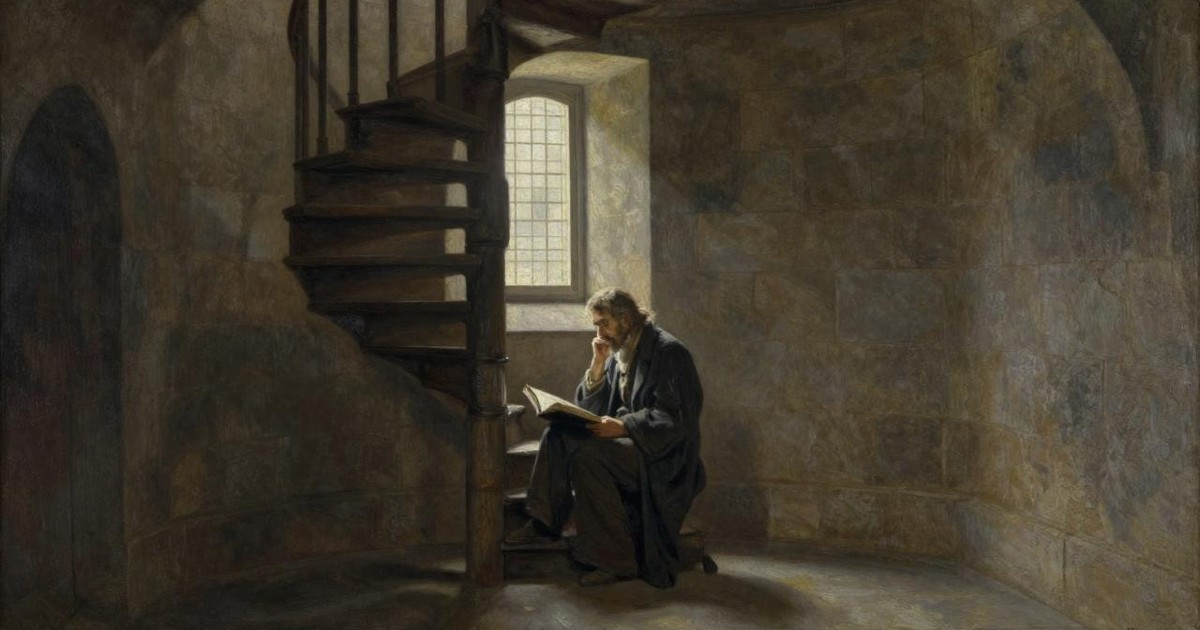
Epistemology is the branch of philosophy that asks how you know anything. Not whether you have opinions. Not whether you feel certain. Whether your access to the world around you has the structure required to call it knowledge rather than guesswork dressed in confidence. The answer matters because the difference between knowing and believing is where policy, science, and daily life split apart.
The classical treatments are surprisingly hostile to comfort. Descartes tried to build knowledge from a foundation of certainty so narrow it admitted only his own existence and then spent the rest of his career rebuilding the world he had just proven he could not prove. Plato's cave described people who took projections on a wall for reality itself, and the allegory is older than any specific theory of truth or justification, which is why it keeps finding new applications: feed-engineered walls, algorithmic shadows, personalized projections that look like the real thing from the angle you're sitting.
Locke argued that the mind begins blank and gets filled from sensory experience. Hume pushed further and noticed that some of what we call experience is actually expectation, habits of association that the brain projects onto the world. Kant tried to rescue something from that skepticism by arguing that the mind contributes categories of understanding before perception even begins. We don't see the world raw; we see it processed. The processing happens before we have the chance to notice it.
None of these questions got easier in the twenty-first century. They got harder. If the mind is partially shaped by external inputs, and those inputs can be manufactured at scale, then what happens to knowledge? A feed that learns your preferences and serves you what it predicts you'll accept as true is not delivering information; it is curating belief. If perception is already mediated by categories we don't choose, and those categories can be updated remotely, then the mediation has been outsourced to systems that are not asking permission.
That is the present pressure point this topic collects. The old arguments about what counts as knowledge are not historical artifacts here. They are diagnostic tools for conditions we did not invent. The cave allegory was a metaphor for epistemic dependence. Now it is a product specification. The question is no longer whether the wall is real, but whether you can see other walls.
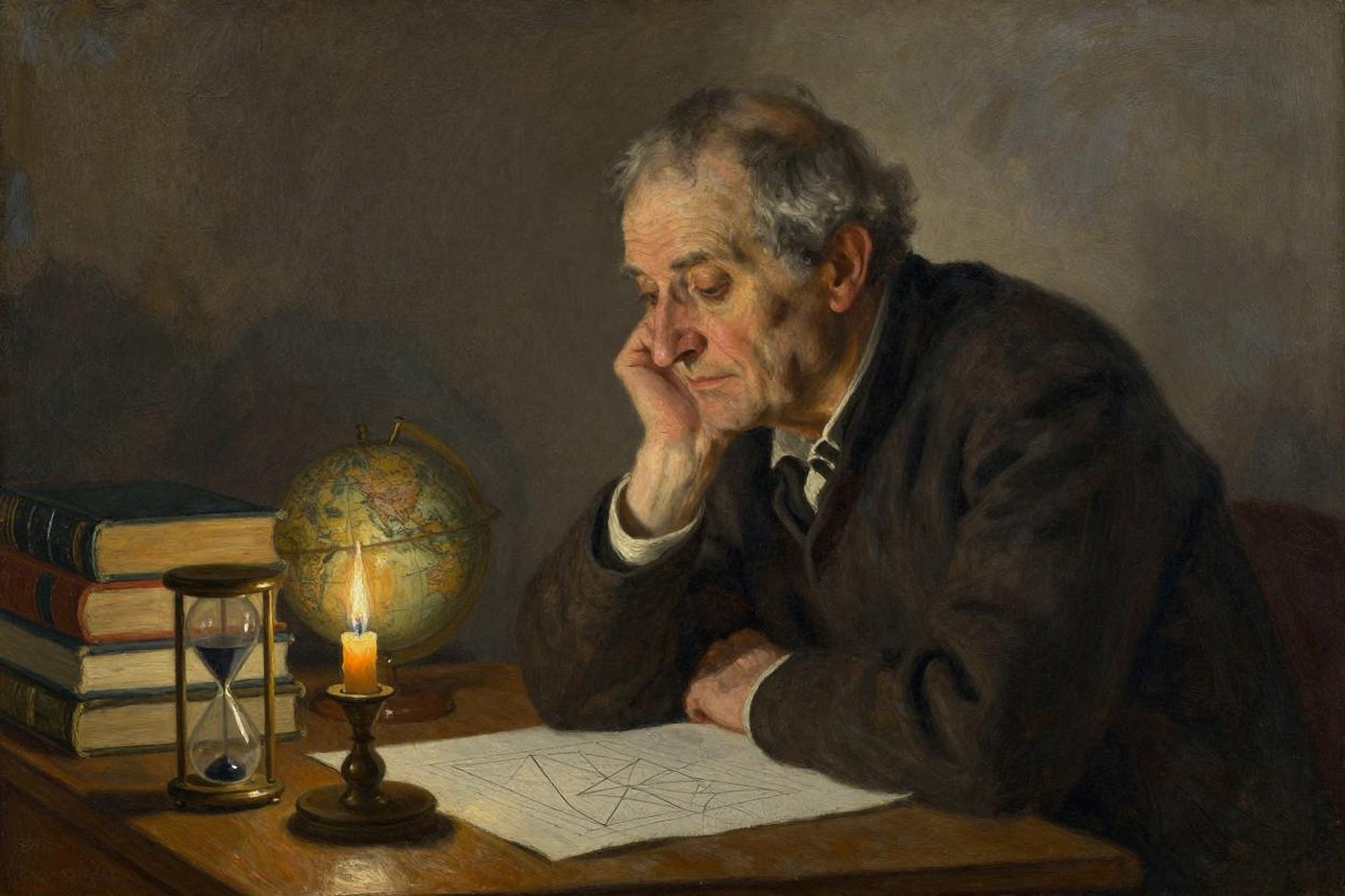
This topic page gathers every essay on the site where the question is about cognition, belief, perception, or the status of what we think we know. The methods vary by column because the subject cuts across all four formats. A Then & Now piece will typically pair an old argument about knowledge with a present condition that tests it. The Objection might steelman the idea that you can know what you're seeing online and then argue against it. A Deep Cut can follow a single epistemic question through the length it needs to go. A Review enters this topic when the work under review is itself about knowing, about truth, or about what happens to belief under specific conditions.
There is a failure mode in knowledge writing that shows up constantly in this field and deserves explicit naming. The certainty version: an essay that treats its own conclusions as if they were the end of the argument, as if reaching the last paragraph means the question is closed. Knowledge claims that announce themselves as final are not knowledge, they are advocacy wearing a lab coat. The essays here try to avoid that by staying honest about what counts as evidence and where the uncertainty lives.
The opposite failure is the nihilist version: you can't really know anything, so nothing matters. This is also a shortcut. It is easier to dissolve the concept than to do the work of distinguishing levels of confidence, kinds of justification, and degrees of reliability. Skepticism is a tool. Nihilism is a refuge. The essays in this topic use the former and resist the latter.
A specific overlap worth flagging: this topic crosses deeply into Science & Technology, because much of what counts as knowledge in the present moment is filtered through technical systems. The algorithm decides what you see. The sensor measures your body. The dataset trains the model that answers your question. Epistemology is no longer confined to philosophy departments when the infrastructure of knowing is commercialized. The essays here try to keep the question at the level it deserves: what does it mean to trust a system with your perception?
Another overlap runs through Identity & Self, because what you know about yourself is part of what constitutes the self. If your identity is performed into existence, as Butler argues, then the question of how you know yourself becomes the question of how the performance registers back to the performer. If the ship of Theseus is the puzzle of identity through replacement, then the digital version is the puzzle of identity through repeated reinvention. Both ask what persists when the material changes. The cognitive question and the identity question meet at the same boundary.
The archive below is where this stands now, four essays toward a target of fourteen. The spread covers both the classical arguments and their present mutations, from Plato's cave to the engineered feed, from Zamyatin's glass houses to the quantified self, from identity puzzles to the mechanics of digital reinvention, from simulacra to deepfakes. The lineage runs long and the present conditions multiply, so this topic will grow steadily across all four columns.
In this topic:
Shadows on the Wall, Rebuilt — Plato's cave and the engineered feed
The Numbered Self — Zamyatin's We and the quantified life
The Ship That Was Never the Same Twice — identity puzzles and digital reinvention
More Real Than Real — Baudrillard's simulacra and AI-generated media